
Fleet Insights
Expert analysis and strategies to optimize your fleet operations, reduce fuel costs, and improve efficiency.
The Best Fuel Optimization Software for Trucking Fleets (2026)
Most "fuel software" finds cheap diesel. True optimization decides how many gallons to buy at each stop, on post-IFTA true cost. An honest comparison of the tools that really do it, and of the fuel-card apps, telematics platforms, and routing engines that don't.

OptiMile Pro vs ProMiles: An Honest Fuel Optimizer Comparison
ProMiles and OptiMile Pro are both true fuel optimizers: gallon-level fill amounts, IFTA-aware math, your contracted prices. The difference is delivery. One is a 40-year desktop veteran you drive yourself; the other is a modern SaaS that's integrated for you and texts the plan to drivers.
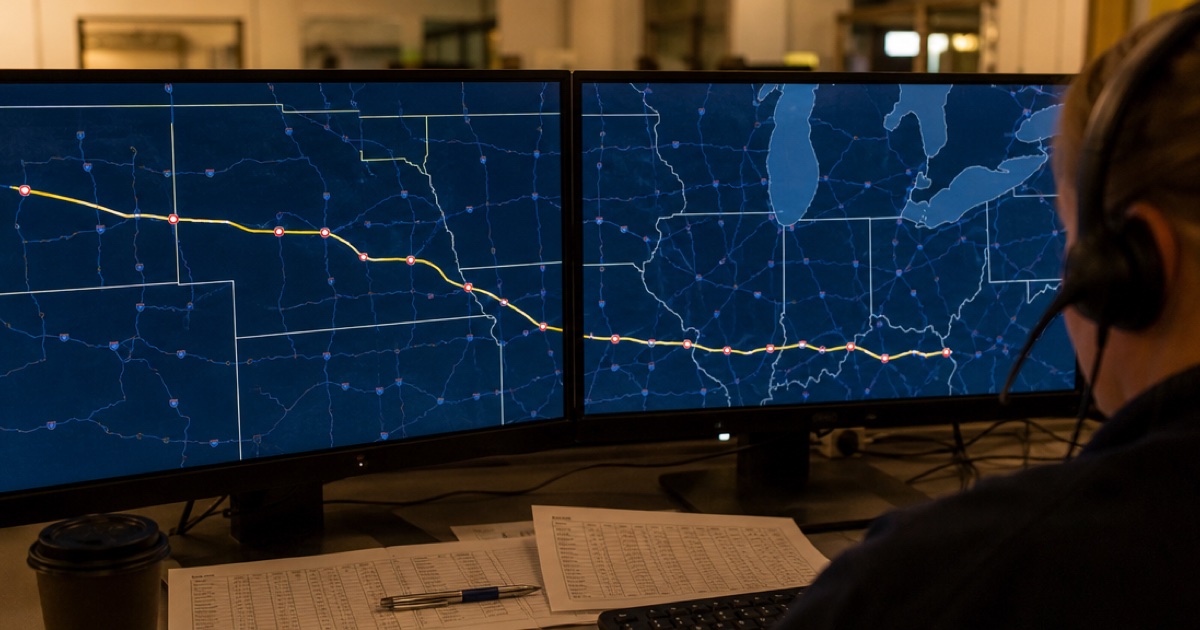
Does PC*MILER Optimize Fuel? What It Does and What It Doesn't
"We already have PC*MILER" usually means best-in-class routing, not a fuel plan. What base PC*MILER actually does, what Trimble's real optimizer (Expert Fuel) adds, and how OptiMile Pro delivers the same class of optimization without the enterprise TMS.
Do Fuel Cards Actually Optimize Your Fuel Spend?
A fuel card negotiates your rate and, at best, points you at a cheap in-network station. Neither is a fuel plan. Here's what every major card actually does, where the per-trip money really hides, and how fleets capture the savings their card can't see.
How Can I Improve Fuel Economy for My Fleet?
Most fleets focus on fuel cards and contracts, but the two biggest levers for OTR fuel savings are dynamic fuel planning and driver behavior. Dynamic fuel planning alone saves an average of 11% of fuel spend per load, and most fleets are only using one of the two.
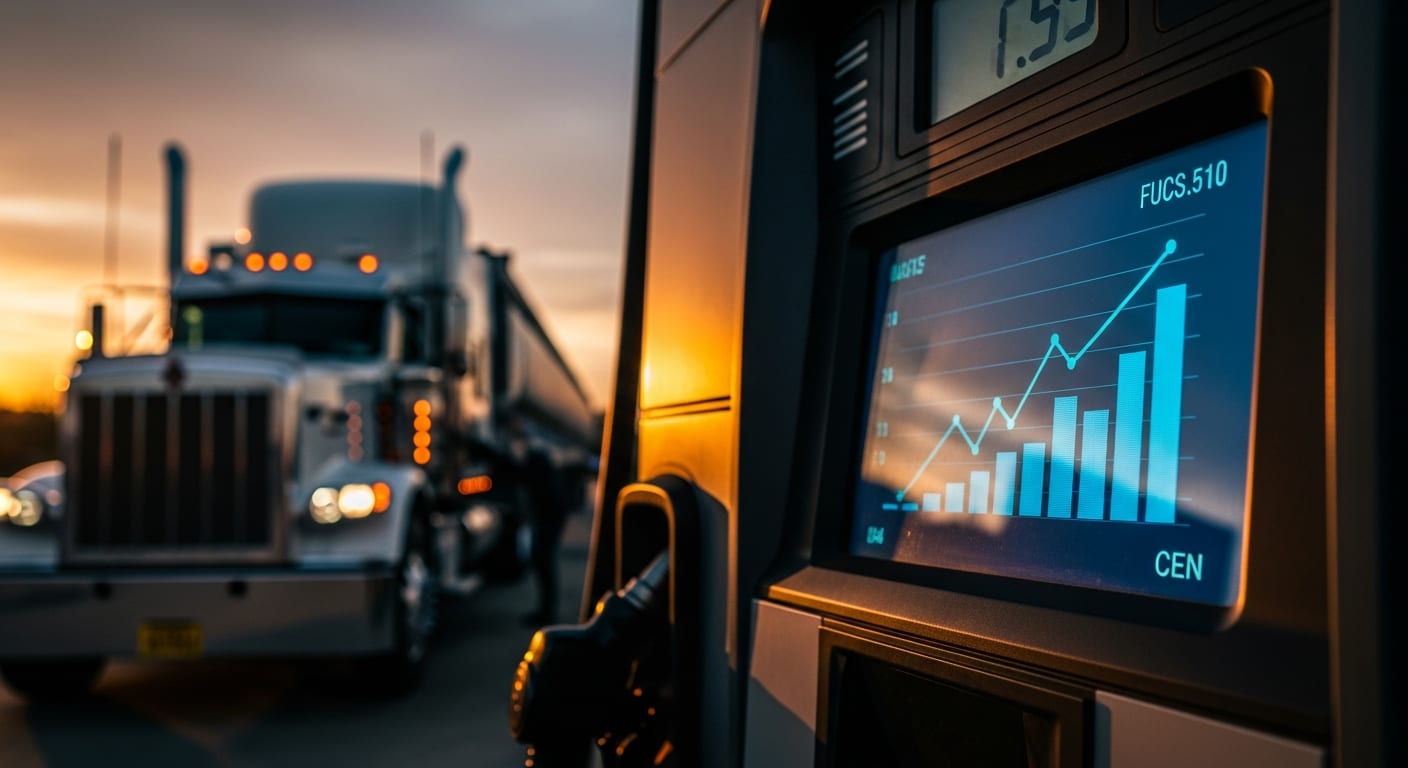
Diesel Spiked 40 Cents Last Quarter. Here's How Optimized Fleets Felt Almost None of It.
Retail diesel swings $0.30-$0.60 in a quarter. Fleets without contracted pricing absorb every cent. Fleets with contracts but without route optimization absorb more than half of it anyway, at the wrong stations. Here's why route optimization is the hedge your fuel desk doesn't know it has.

Your Fuel Plan Is Perfect. Your Drivers Aren't Following It.
Fleets spend thousands optimizing fuel routes. Then a driver fuels up at the wrong station anyway. This is the compliance gap: the difference between the savings a fuel plan finds and the savings the fleet actually banks. Here is how to measure yours, and how to close it with workflow rather than enforcement.
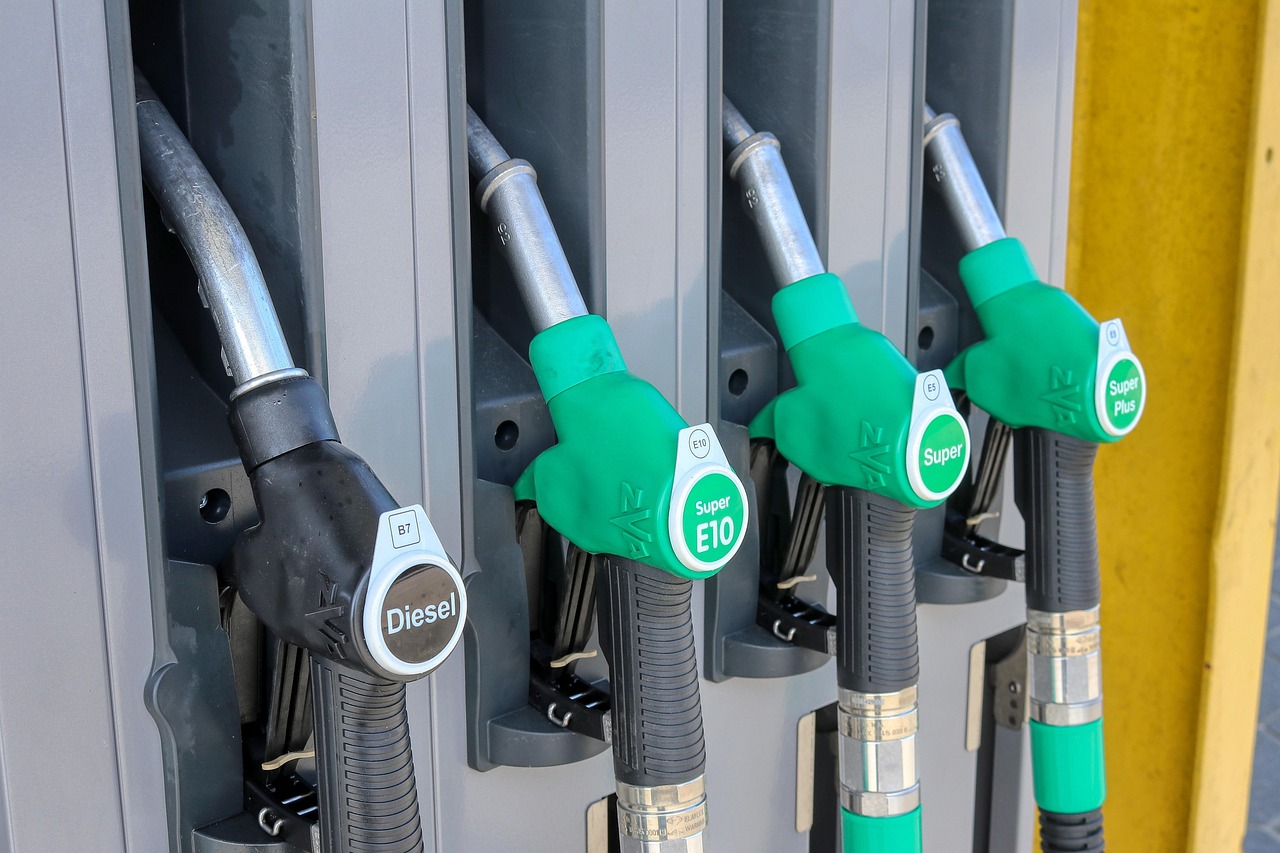
Your Fuel Contract Sets the Price. Your Route Decides What You Pay.
Your contract fixes the price at every station in the network. It does not choose the station. Same-day contracted prices inside one network commonly vary $0.18–$0.31 per gallon, so route-aware fuel-stop selection saves an average of 11% of fuel spend per load without renegotiating anything.
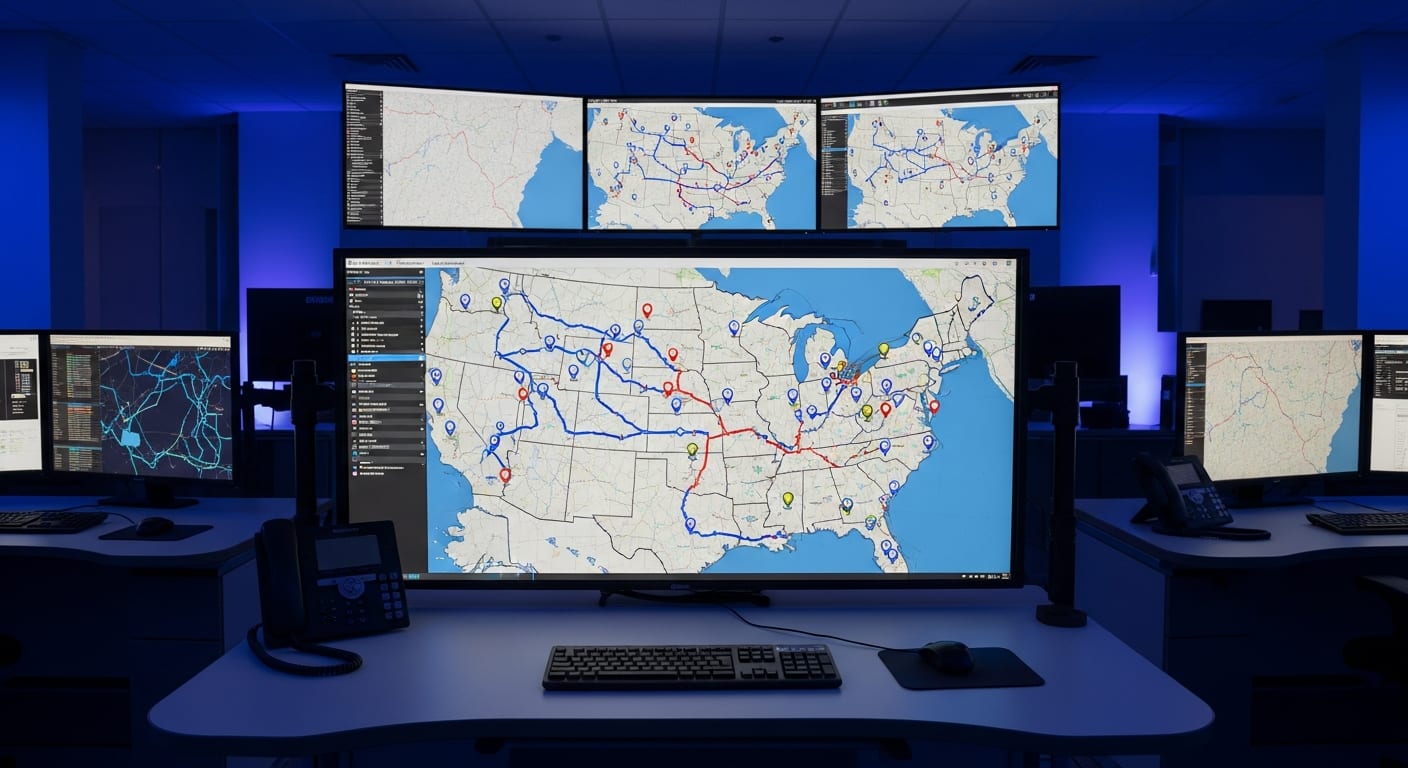
Stop Babysitting Fuel Stops: How Dispatch Teams Are Cutting Fuel Planning From Hours to Minutes
Fleet fuel planning is manual, inconsistent, and ignored by drivers. Learn how automated fuel stop optimization simplifies dispatch workflows and saves fleets an average of 11% of fuel spend per load.

Fleet Fuel Optimization Without the Black Box: A Technical Look at How OptiMile Pro Actually Works
A technical breakdown of OptiMile Pro's fuel stop optimization: dynamic programming engine, contracted pricing ingestion, API architecture, security posture, and zero-integration onboarding for IT evaluators.

Why the "Monthly Model" Changes Everything for Fleet Fuel Software
In a tight freight market, cash flow is oxygen. OptiMile Pro is billed monthly, so the savings land on the runs you are already dispatching in the same month the invoice does.
The "Cheapest Pump" Fallacy: Why Your Fuel Strategy is Leaking Cash
In the trucking industry, we are conditioned to hunt for the lowest number on the sign. But there is a difference between being cheap and being efficient.
Ready to Optimize Your Fleet's Fuel Strategy?
Start your free trial today and see how much you can save.
Start Free Trial